



For buyers all around the world, staple fiber spinning isn't just a simple step in making yarn — it's really the foundation. It actually determines things like how strong, even, soft, and stable the production ends up being. And you know what? You can spot these qualities directly on the factory floor. If the spinning line isn’t well-controlled, it can lead to uneven yarn, broken ends, and noticeable differences in fabric shades — all those little issues that add up.
Now, size really matters here. According to Textile Exchange, global fiber production hit about 124 million tonnes in 2023, and they expect it to jump to roughly 160 million tonnes by 2030. With this kind of growth, suppliers are under more pressure than ever to ramp up efficiency, improve traceability, and get better at choosing materials. The report also points out that polyester still rules the roost, but there's a clear rising demand for recycled and low-impact fibers too. For buyers, the technology used in spinning isn't just about cost — it directly impacts how well the product performs and how genuinely sustainable it is.
Professor Subhash K. Batra, a well-known expert and author in textile spinning, famously says, “Fiber quality is the foundation of yarn quality.” And honestly, that’s still spot-on. Buyers should really take a close look at fiber length, micronaire (that’s just a fancy way of saying fiber fineness), moisture levels, how well fibers are blended, and how carefully the twist is managed. Sometimes, dropping by a factory can reveal things that certificates just can’t show — like dusty opening rooms or unstable carding settings.
Of course, the process isn’t perfect. When cost is the main priority, it can lead to neglecting important stuff like proper maintenance, skilled operators, or waste recovery. And that can hide some risks. A cheaper yarn might slow down the weaving process, require more repairs, or see a higher rate of rejected fabric. The International Textile Machinery Federation keeps tabs on how much pressure there is to invest in newer equipment worldwide — all of which makes it clear that equipment productivity really matters when you’re making purchasing decisions. Staple fiber spinning is worth paying close attention to because it links the quality of raw materials directly to the factory’s real results. So, for buyers everywhere, the question is pretty simple: are you trying to score the lowest price, or are you after consistent, reliable performance?”

What Is Staple Fiber Spinning and How Does It Work?
Staple fiber spinning converts short fibers into continuous yarn. The fibers may come from cotton, wool, recycled materials, or manufactured sources. Unlike filament yarn, staple fibers have limited lengths. Their loose ends must be controlled through careful preparation and twisting.
The process begins with opening and blending. Machines separate compressed fiber tufts and create a more even mixture. Carding then removes much of the debris and aligns the fibers into a thin web. Drawing combines several slivers and improves their uniformity. After that, roving reduces the thickness before spinning inserts the final twist. The twist gives yarn strength, stability, and a usable surface. Small details matter. Moisture, fiber length, and machine settings can change the result.
For global buyers, understanding this process supports better purchasing decisions. A yarn sample may look acceptable while hiding uneven thickness or weak sections. Buyers should review test data, production consistency, and fiber traceability. Useful checks include count variation, tensile strength, elongation, hairiness, and visible defects. Spinning is not flawless. Even skilled mills manage trade-offs between softness, strength, speed, and cost. A heavier twist can improve durability, but it may reduce softness. More recycled content can support material goals, yet it may increase variation. Buyers need clear specifications and realistic tolerances, not attractive claims alone. Regular sampling remains valuable. The factory floor often reveals problems that a product sheet cannot show.
Why Is Staple Fiber Spinning Important for Global Buyers? - What Is Staple Fiber Spinning and How Does It Work?
| Process Stage | What Happens | Why It Matters to Global Buyers | Key Quality Checkpoints |
|---|---|---|---|
| 1. Fiber Selection | Staple fibers are short fibers with a defined cut length. Common feedstocks include cotton, wool, viscose, polyester, acrylic, nylon, and blends. | Fiber type and blend ratio affect softness, strength, moisture behavior, dyeability, cost, and end-use suitability. | Fiber type, staple length, fineness, blend ratio, moisture content |
| 2. Opening and Blending | Bales or compressed fiber packages are opened, loosened, and blended to distribute fibers more evenly before carding. | Consistent blending helps reduce shade variation, uneven fabric appearance, weak areas, and differences between production lots. | Blend uniformity, contamination removal, bale identification |
| 3. Carding | Carding separates fiber tufts, removes part of the impurities, aligns fibers, and forms a continuous web or sliver. | Effective carding improves fiber orientation and prepares a more uniform material for drafting and yarn formation. | Sliver evenness, nep level, fiber alignment, waste percentage |
| 4. Drawing | Several slivers may be combined and drafted. Drafting reduces irregularity and improves the parallel alignment of fibers. | Better alignment generally supports more stable yarn strength, appearance, and downstream processing performance. | Linear density, coefficient of variation, draft control |
| 5. Roving Preparation | In systems that use roving, the drawn material is attenuated and given a small amount of twist so it can be fed reliably to the spinning frame. | Stable roving reduces feeding problems, end breaks, machine stops, and variation in the final yarn. | Roving weight, twist level, package build, breakage rate |
| 6. Spinning | The fiber strand is drafted to the required fineness and twisted to hold the fibers together. Ring, rotor, and air-jet systems use different yarn-forming methods. | The selected spinning method influences yarn strength, hairiness, evenness, productivity, energy use, and suitable applications. | Yarn count, twist, strength, elongation, hairiness, evenness |
| 7. Winding and Packaging | Yarn is transferred to suitable packages, while electronic or mechanical systems may remove certain yarn faults during winding. | Correct package density and clean winding support efficient knitting, weaving, transportation, storage, and automatic unwinding. | Package shape, winding tension, splice quality, visible defects |
| Yarn Count | Yarn fineness can be expressed using systems such as tex, dtex, denier, or indirect cotton count. Tex is the mass in grams per 1,000 meters. | A clear count specification helps buyers compare quotations, control fabric weight, and match yarn to machine settings and product requirements. | Declared count, count variation, measurement method |
| Yarn Strength and Elongation | Strength indicates the force required to break the yarn, while elongation indicates how much it stretches before breaking. | These properties affect weaving efficiency, knitting performance, seam durability, abrasion resistance, and the final product’s service life. | Breaking force, tenacity, elongation, test conditioning |
| Yarn Evenness | Evenness describes variation in yarn mass along its length. Irregularities may appear as thick places, thin places, or neps. | More even yarn generally produces a cleaner fabric surface, fewer defects, and more predictable dyeing and finishing results. | U%, CV%, thick places, thin places, neps |
| Spinning System Choice | Ring spinning is known for versatility and can produce fine, strong yarns. Rotor spinning is productive and often suitable for coarser yarns. Air-jet spinning can offer high productivity and low hairiness for suitable fibers and counts. | Choosing the appropriate system balances yarn performance, production speed, energy consumption, raw-material flexibility, and total cost. | Required count range, fiber length, quality target, production volume |
| End-Use Matching | Spun staple-fiber yarns are used in apparel, home textiles, towels, bed linens, denim, workwear, socks, upholstery, and technical textile products. | Matching yarn properties with the intended application helps prevent premature wear, pilling, poor dimensional stability, and processing difficulties. | Softness, abrasion resistance, pilling tendency, absorbency, dimensional stability |
| Sustainability and Traceability | Environmental performance depends on the fiber source, recycled content, energy and water use, process waste, chemical management, and supply-chain documentation. | Verifiable material information supports regulatory compliance, responsible sourcing, customer requirements, and life-cycle reporting. | Fiber origin, recycled content, process records, certifications, batch traceability |
| Buyer Evaluation | A complete technical review should compare samples, specifications, test methods, tolerances, packaging, lead time, minimum order quantity, and shipment conditions. | Evaluating both technical and logistical factors reduces quality disputes and improves continuity across international supply chains. | Approved sample, specification sheet, inspection plan, delivery terms |
Note: Actual yarn specifications depend on the fiber type, blend, staple length, spinning system, equipment settings, and intended end use. Test results should be compared only when the same recognized test method and conditioning requirements are used.
Spin Pack Filter in Metal Media: Design, Performance, and Industrial Applications
A spin pack filter in metal media is engineered for demanding filtration tasks in polymer processing and other fluid-handling industries. Its core element is a precisely layered metal wire mesh formed into cylindrical, rectangular, square, oval, or customized shapes. This flexible structure can be matched to different filtration systems, flow rates, and equipment spaces. Depending on the process, it can filter oil, gas, water, grease, liquid, molten polymer, and other flowing materials across a wide range of temperatures.
Metal media provides excellent mechanical strength, dimensional stability, and resistance to heat and pressure. During polymer manufacturing, the filter captures gels, unmelted particles, rust, and other contaminants before they affect product quality or damage downstream equipment. A suitable mesh density can balance particle retention with flow efficiency, while the robust construction supports repeated operation in continuous production environments. Depending on the process requirements, the filter pack may also be cleaned, replaced, or combined with multiple filtration layers to achieve more precise separation.
Industrial applications include extrusion, film production, fiber spinning, injection molding, chemical processing, fuel treatment, and high-temperature liquid filtration. Its adaptable geometry makes installation practical in compact systems, while the durable metal structure helps maintain stable performance under fluctuating operating conditions. Careful selection of mesh size, pack thickness, filtration area, and material compatibility allows the filter to serve both standard and specialized production lines.

FAQS
Staple fiber spinning turns short fibers into continuous yarn. Cotton, wool, flax, and manufactured fibers can be used. The loose ends need control. Twist helps hold the fibers together.
Opening separates compressed fiber tufts. Blending creates a more even mixture. Carding removes debris and aligns fibers. Drawing combines slivers and improves uniformity. Roving reduces thickness before final spinning.
Common natural fibers include cotton, wool, flax, hemp, and recycled plant fibers. Synthetic options include polyester, nylon, acrylic, and polypropylene. Blends can balance softness, strength, drying speed, and cost.
Check fiber length, fineness, crimp, moisture regain, and contamination. Review yarn count variation, tensile strength, elongation, hairiness, and visible defects. Small details matter.
Uneven drafting may create thick places and weak sections. Excessive short fibers can increase fly, pilling, and breakage. Better fiber alignment usually improves evenness and strength.
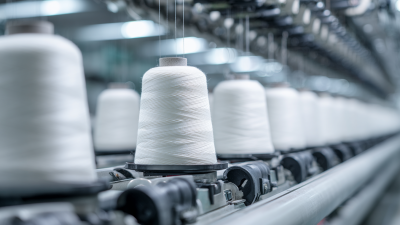
Not always. A tidy package may hide unstable spinning conditions. Inspect production-lot samples, winding tension, package density, and test results. The cone can look perfect.
Recycled fibers can support material goals and reduce reliance on new inputs. Their quality may vary between batches. More recycled content can increase unevenness, waste, or breakage. This needs verification.
Moisture affects fiber flexibility, cohesion, and processing behavior. Incorrect machine settings can cause uneven thickness or weak yarn. Buyers should ask how moisture is controlled. Factories sometimes adjust settings imperfectly.
Spinning involves trade-offs between softness, strength, speed, and cost. Heavier twist may improve durability but reduce softness. Clear tolerances help buyers judge acceptable variation. Attractive claims are not enough.
Conclusion
Staple Fiber Spinning is a key textile process that transforms short natural or synthetic fibers into consistent, usable yarns. By opening, blending, carding, drawing, and twisting fibers, the process controls yarn strength, softness, evenness, durability, and appearance. Common materials include cotton, wool, viscose, polyester, acrylic, and blended fibers, each offering different performance and sustainability characteristics. The selected fiber type, length, fineness, moisture level, and blend ratio all influence spinning results.
For global buyers, Staple Fiber Spinning is important because yarn quality directly affects the performance, cost, and appearance of finished textiles used in apparel, home furnishings, industrial fabrics, and other applications. Efficient production depends on modern equipment, skilled operators, stable raw materials, process control, energy management, and effective quality testing. When evaluating suppliers, buyers should consider product consistency, production capacity, technical expertise, customization options, delivery reliability, traceability, certifications, communication, and total value. A capable supplier can help buyers achieve dependable quality and stable long-term sourcing.
Related Posts
-

10 Essential Tips for Working with Stainless Steel Powder Effectively
-
Top Strategies for Sourcing Efficient Barmag Pack Filters in the Textile Industry
-

Top Benefits of Using Metal Sand For Filtration in 2025
-

How to Choose the Right Tmt Machine for Your Needs?
-

7 Best TMT Machine Manufacturers for Global Buyers?
-

Revamping Industrial Efficiency: The Rising Demand for Stainless Metal Sand in Manufacturing Processes
