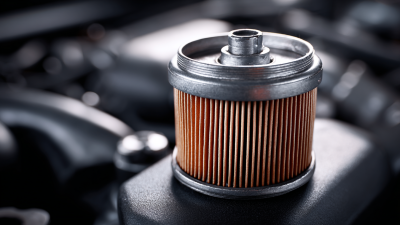
You know, in today’s world of industry, there’s really a growing need for better filtration solutions. One that's been gaining quite a bit of attention lately is the Pleated Candle Filter. These things are pretty important in a bunch of different settings because they do a great job at catching particles while still allowing good flow. I came across a report from Filtration Industry Reports that says the market for filtration systems could hit around $70 billion by 2025 — mainly because everyone’s after high-performance filters that work like a charm.
Dr. James Thompson, who’s pretty much a go-to expert when it comes to filtration tech, once said, ‘The efficiency of a Pleated Candle Filter can really give a huge boost to your operations.’ And honestly, his point hits home — industries like pharma and food processing, where the tiniest impurities can be a real problem, see these filters as a game-changer. That said, even for the pros who’ve been at it a while, picking the right Pleated Candle Filter isn’t always straightforward. There are so many different designs and materials out there, and sometimes, people don’t quite realize how much those specs actually matter in the end.
As the industry keeps evolving, it’s really important to keep re-evaluating what we’re doing and stay up-to-date. At the end of the day, figuring out and using the right Pleated Candle Filter is key to making sure your filtration works smoothly and effectively.
Pleated candle filters are a crucial component in various filtration systems. Their unique design features pleated membranes that significantly increase surface area, allowing for more efficient filtering. They are widely used in industries such as pharmaceuticals, food and beverage, and water treatment. Understanding their function can lead to better filtration solutions.
One key benefit of pleated candle filters is their ability to trap contaminants effectively. This reduces the need for frequent replacements, lowering costs over time. However, it's essential to monitor their performance regularly. A clogged filter can disrupt processes and lead to unanticipated issues. Regular checks can help maintain optimal operation.
**Tips:** Ensure you select the correct filter size for your specific application. Over or under-sizing can lead to inefficiencies. Additionally, consider the materials of construction for compatibility with your fluid type. Always review manufacturer guidelines for best practices to maximize the life of the filter. Remember, good maintenance habits can prevent costly downtime.
Pleated candle filters offer a range of advantages for various filtration needs. Their unique design maximizes surface area, enhancing filtration efficiency. This means a higher dirt-holding capacity compared to traditional filters. Consequently, industries often turn to pleated filters for cleaner outputs and longer operational life.
Using pleated candle filters can significantly reduce maintenance costs. Their extended service life minimizes the frequency of replacements. Moreover, they help maintain consistent flow rates, which is crucial for process stability. However, improper selection may lead to issues like clogging or bypass. Users should measure their specific needs carefully to ensure optimal performance.
Another benefit is versatility. Pleated candle filters suit multiple applications, from water treatment to chemical processing. Their robust materials withstand various temperatures and pressures. However, not all pleated filters are made equal. Users must consider the media type and micron rating for effective filtration. This requires thorough research and sometimes expert consultation.
When choosing the best pleated candle filter, consider your specific needs. Pleated filters offer increased surface area, enhancing dirt and particle retention. This design allows for longer intervals between replacements. However, it's essential to evaluate the filtration rating based on your application. Higher ratings trap smaller particles but may limit flow rates.
Pay attention to materials used in the filter construction. Different materials can impact durability and compatibility with various liquids. Some may resist chemicals better than others. Additionally, environmental factors can dictate your choice. Temperature and pressure variations can affect filter performance, so assess your operating conditions closely.
Lastly, consider maintenance requirements. While pleated filters generally have longer lifespans, monitoring their condition is crucial. Regular inspections can prevent system issues. Sometimes, users overlook the importance of maintenance, leading to unexpected failures. Being proactive in filter management enhances reliability and efficiency.
Pleated candle filters have become essential in various industries, offering high-efficiency filtration solutions. Their design allows for a larger surface area, crucial for capturing particles in liquids. A report by the Filtration Society indicates that pleated filters can achieve filtration efficiency rates of up to 99.9%. This makes them ideal for applications in chemicals, pharmaceuticals, and food processing.
High-quality pleated candle filters typically feature materials like polypropylene and nylon. These materials are resistant to chemicals, ensuring durability. The AFS (American Filtration Society) emphasizes the importance of pleat spacing and depth. Proper spacing prevents clogging, extending the filter's lifespan. Furthermore, filters with a deep pleat design can hold more contaminants, enhancing operational longevity.
Understanding the specifications is vital. Not all pleated candle filters are equal. Some may have a higher initial cost but offer significant savings through reduced replacement needs and downtime. It's essential to evaluate the total cost of ownership rather than just the upfront price. Each industry may require different micron ratings and sizes. This complexity can lead to confusion, making it crucial to have knowledgeable suppliers guiding the selection process.
Pleated candle filters have gained prominence in various industrial applications due to their efficiency in particulate removal. In sectors like food and beverage, pharmaceuticals, and water treatment, these filters are critical. They effectively capture contaminants, ensuring compliance with stringent quality standards. Reports indicate that pleated filters can achieve a filtration efficiency of over 99%, essential for maintaining product integrity.
In the food and beverage industry, pleated candle filters are vital for ensuring product safety. They remove impurities that could compromise flavor or safety. Data shows that about 40% of food recalls are due to contamination issues. A reliable filtration system can significantly mitigate this risk. Moreover, in the pharmaceutical sector, these filters help in the production of highly pure medications, reducing the risk of adverse reactions from contaminants.
However, not all pleated filters perform equally well in every situation. Selection depends on specific applications and operating conditions. For instance, in high-viscosity processes, filters may experience quick clogging, necessitating a careful choice. Operators must continually assess filter performance and consider factors like particle size and load. Understanding these nuances is essential for optimal filtration solutions.
Maintaining pleated candle filters is crucial for achieving optimal filtration solutions. Regular maintenance ensures the filters operate efficiently and last longer. However, not all users understand the significance of proper care. Many neglect filter cleaning or replacement schedules. This oversight can lead to reduced filtration performance.
To enhance filter longevity, consider periodic inspections. Check for signs of clogging or wear. Regularly clean the filters according to the manufacturer’s recommendations. A gentle rinse with clean water often suffices. Ensure that the environment remains free from excessive dust or debris. This simple step can prevent premature blockage.
It's important to keep records of maintenance activities. Documenting when filters are cleaned or replaced helps track performance. This information can highlight patterns in wear and tear. If a filter fails prematurely, revisiting this data may reveal overlooked issues. Challenges such as improper installation or harsh operational conditions may arise. A bit of vigilance can significantly improve filtration efficiency.
| Filter Type | Filtration Efficiency (%) | Max Operating Temperature (°C) | Maintenance Frequency (months) | Replacement Indicator |
|---|---|---|---|---|
| Pleated Polyester | 95 | 80 | 6 | Loss of pressure |
| Pleated Nylon | 98 | 90 | 12 | Visible dirt accumulation |
| Pleated Cellulose | 90 | 70 | 3 | Clogging signals |
| Pleated PTFE | 99 | 120 | 18 | Performance degradation |
When choosing a filtration solution, pleated candle filters stand out for their efficiency. They feature increased surface area, which aids in trapping more contaminants. This design allows for improved flow rates compared to traditional filter types. Users often appreciate the reduced maintenance frequency, resulting in cost savings over time.
In contrast, other filtration methods like bag filters can be less efficient. They often require more frequent replacements and have a limited capturing capacity. With pleated candle filters, liquids can flow through smoothly, minimizing pressure drop and maximizing output. However, they may not be the perfect fit for every application. Evaluating fluid characteristics is crucial for choosing the right filtration method.
Moreover, it’s essential to consider the installation environment. In certain industrial settings, pleated candle filters might face challenges due to space constraints. This is where flexibility in design becomes important. While pleated filters generally offer high performance, careful consideration is needed to ensure they align with specific operational needs. Understanding these nuances can lead to more informed decision-making in filtration solutions.
In the modern chemical fiber industry, the efficiency of filtration systems plays a crucial role in the production of high-quality synthetic fibers. The melt polymer candle filter serves as a pivotal element in this process, as it effectively removes impurities from the polymer melt, which is the molten form of synthetic polymers like polyester and nylon. Industry reports indicate that an optimized melt filter can significantly enhance filtration efficiency, leading to improved quality of the final fibers. For instance, installations of advanced melt filters have shown a reduction in solid particle contaminants by over 30%, which directly correlates with fewer production defects and enhanced mechanical properties of the resultant fibers.
Furthermore, the integration of high-performance melt polymer candle filters in extrusion lines is essential for maintaining the integrity of the production process. Such filters not only improve the clarity and consistency of polymer melts but also streamline maintenance efforts. Regular monitoring and timely replacement of these filter elements are recommended to sustain operational efficiency. Research suggests that companies adopting a proactive maintenance schedule can increase production uptime by as much as 20%, thereby enhancing overall productivity. As the demand for high-quality chemical fibers continues to rise, investing in advanced filtration technologies will remain a critical strategy for manufacturers aiming to excel in a competitive market.
: Pleated candle filters are filtration devices designed to enhance efficiency by maximizing surface area.
They offer higher dirt-holding capacity and longer service life than traditional filters.
Their durability leads to fewer replacements, saving money and time on maintenance.
Consistent flow rates ensure process stability, which is vital in various industrial applications.
Evaluate your specific filtration needs, including media type, micron rating, and application.
Yes, they are built from robust materials that can withstand various temperatures and pressures.
Issues like clogging or bypass can occur, leading to inefficiencies in filtration.
Regular inspections are crucial to prevent unexpected failures and ensure optimal performance.
Neglecting maintenance can result in reduced filter efficiency and potential system failures.
Sometimes, expert advice is beneficial to ensure the right choice for effective filtration.
The article "Best Pleated Candle Filter for Optimal Filtration Solutions" provides an insightful overview of pleated candle filters, emphasizing their significance in achieving effective filtration. A pleated candle filter is designed with a pleated structure that increases surface area, enhancing its ability to capture contaminants while maintaining optimal flow rates. The benefits of these filters include improved filtration efficiency and longer service life, making them a preferred choice in various industrial applications.
When selecting the best pleated candle filter, it is crucial to consider key features such as material compatibility, filtration rating, and operational temperature. Regular maintenance is also highlighted to ensure longevity and performance. Finally, the article compares pleated candle filters to other filtration methods, illustrating their advantages in specific scenarios, thereby establishing their essential role in modern filtration systems.