Hey, so the 139th Canton Fair is just around the corner, and it’s gearing up to showcase some pretty exciting stuff across a bunch of industries. One of the standout products you’ll definitely want to check out is Candle Filters—they’re known for their efficiency in filtration, after all. Companies like Filtration Solutions Inc. and PureTech are expected to roll out some pretty innovative designs this year.
If you’re attending, you’ll find a whole range of Candle Filters suited for both big industry needs and everyday consumer use. The idea is to boost performance and cut down on downtime, which sounds great, right? But here’s the thing—picking the right filter can be tricky. Not all products live up to the hype, and that can lead to missed opportunities or wasted effort.
And get this—walking around the huge exhibition space, you’ll probably get overwhelmed. Luckily, the new AI features should make life a lot easier by helping you find reliable suppliers faster. It’s like having a smart buddy who can zero in on the best options for you. Just don’t forget to check out certifications like ISO and CE—they’re super important if you want quality you can trust. The whole process of finding the perfect Candle Filter might seem a bit daunting at first, but trust me, the rewards are totally worth it.
The 139th Canton Fair showcased a diverse range of candle filter manufacturers. Many of these manufacturers presented innovative designs and advanced technologies. Attendees had a chance to explore various candle filters, each tailored for different applications.
Some manufacturers focused on environmentally friendly materials. This reflects a growing trend in sustainable manufacturing. Yet, not every product met the high expectations set by their marketing. Some filters struggled with efficiency, raising questions about their practicality in real-world use.
Exhibitors highlighted intricate designs, emphasizing attention to detail. However, some products lacked comprehensive testing, leaving room for doubt. The fair created a platform for dialogue, pushing manufacturers to consider feedback and improve their offerings. This interaction revealed a need for continuous improvement in product development.
This chart demonstrates the popularity of various candle filter types showcased at the 139th Canton Fair. The data reflects the number of exhibitors and their focus on specific candle filter types.
The market for candle filters is evolving. Recent reports indicate a steady growth, projecting a compound annual growth rate (CAGR) of 7% through 2025. This trend is largely driven by an increase in industrial filtration needs and advancements in filtration technology. Key sectors, such as pharmaceuticals and food processing, are notable consumers of candle filters.
In 2023, new materials are gaining traction. Innovations in filter design enhance efficiency and durability. For instance, ceramic-based filters are increasingly preferred for their high resistance to temperature and chemicals. Interestingly, despite these advancements, many manufacturers still rely on outdated methods for filtration. This discrepancy raises questions on adaptability in a fast-changing market.
Cost pressures remain a significant concern. While some companies invest in cutting-edge technology, others hold back. This creates gaps in performance and sustainability. Thus, understanding market needs thoroughly is crucial for long-term success. Increased competition can trigger improvements, but complacency may lead to missed opportunities. The balance between innovation and practicality will define the future of candle filter technologies.
Candle filters are crucial in many industrial processes. They help improve the quality of fluids. Performance varies significantly among different models. Filtration efficiency is a key factor to consider. The best filters can trap smaller particles effectively. This leads to cleaner output and less downtime.
A recent analysis from the 139th Canton Fair highlighted several leading options. Many filters showcase advanced materials and design innovations. However, some still fall short in real-world applications. Users reported inconsistencies in durability and effectiveness. It's important to evaluate each filter's claims against its performance data.
Some filters are touted as high-efficiency solutions. Yet, they may not meet expectations under heavy usage. Testing under various conditions is essential. Filtration efficiency can decrease over time, impacting overall performance. Choosing the right filter requires careful consideration. Users should focus on long-term reliability, not just initial performance metrics.
The 139th Canton Fair showcased several key innovations in candle filter design. These advancements focus on improving efficiency and sustainability. The global candle filter market is projected to grow significantly. According to a recent industry report, it is expected to reach USD 1.2 billion by 2026.
One major trend is the integration of advanced materials. Manufacturers are exploring the use of nanofibers to enhance filtration precision. This innovation allows for better removal of contaminants while maintaining flow rates. Statistics indicate that filters utilizing these materials can reduce particle emissions by up to 30%. However, adoption faces challenges, including high production costs and durability concerns.
Another highlight is the emphasis on eco-friendly designs. Many exhibitors introduced filters made from biodegradable materials. This shift addresses growing environmental concerns among consumers. Some designs incorporate energy-efficient manufacturing processes. Yet, issues like sourcing sustainable materials still require attention. The path toward truly green filters is fraught with obstacles. Ultimately, the progress seen at the fair reflects a critical moment for the industry. The need for innovation is clear, but so is the necessity for ongoing refinement.
Eco-friendly candle filters are gaining popularity. Many consumers prefer candles made from natural materials. These filters often use plant-based fibers. They provide a cleaner burn. Traditional candle filters, on the other hand, are still widely used. Often made from synthetic materials, they can be cheaper to produce. However, they may release harmful chemicals when burned.
Consumer preferences are shifting dramatically. More buyers are willing to pay extra for eco-friendly options. They value sustainability and health benefits. This trend is significant, especially for younger consumers. Brands should recognize this shift and adapt. But not all consumers prioritize eco-friendliness. Some still choose the old-school options. This can lead to confusion in the market.
Tips: When choosing a candle filter, consider the source of materials. Ensure the product is free from harmful additives. Look for certifications that guarantee eco-friendliness. Check customer reviews for real experiences. Don't forget to think about your own preferences. Your choices make a difference. Choose wisely to reflect your values and lifestyle.
Regulatory standards play a critical role in candle filter production. In 2023, stringent guidelines emerged to ensure safety and environmental compliance. Manufacturers must adapt their processes to meet these evolving requirements. This can be challenging. Many face issues with existing production methods that do not align with new regulations.
Proper ventilation and material sourcing are crucial. The use of non-toxic materials is now a priority. Filters must effectively capture particulates and meet emission standards. Some manufacturers struggle to find suitable materials that are both effective and compliant. These challenges can lead to delays in production and increased costs.
The reliance on outdated equipment also poses risks. Many producers may not have the funds to upgrade. This can result in lower quality products. It’s essential for manufacturers to invest in new technologies. Implementing better practices can help overcome these hurdles. Regular training is also vital for staff to stay informed about compliance needs. The industry must reflect on these challenges to improve and innovate.
Candle filters have gained attention at the recent Canton Fair. Insights from buyers reveal a dynamic shift in supply chain management. The fair presented numerous innovative designs and technologies that attracted global interest. However, challenges remain in sourcing and logistics post-event.
Tips for navigating the supply chain after the fair include staying connected with suppliers. Open communication is crucial. Many companies face delays in shipping. Having a backup plan for sourcing materials can save time. It’s also wise to evaluate potential risks in your supply chain. Some suppliers may not meet quality expectations. Always verify their credibility before placing large orders.
Additionally, building relationships is key. Networking at the fair was beneficial, but it doesn’t end there. Follow up with contacts made during the event. Explore partnership opportunities to streamline your operations. Understanding the intricacies of the market can lead to better decision-making. Obstacles are part of the process, but a proactive approach helps overcome them. Be flexible and willing to adapt to changing circumstances.
| Rank | Type of Candle Filter | Material | Filtration Efficiency (%) | Price Range (USD) | Lead Time (Weeks) |
|---|---|---|---|---|---|
| 1 | Activated Carbon Filter | Activated Carbon | 95 | 50 - 70 | 4 |
| 2 | HEPA Filter | Fiberglass | 99.97 | 75 - 100 | 6 |
| 3 | Ceramic Filter | Ceramic | 90 | 60 - 85 | 3 |
| 4 | Polyester Filter | Polyester | 85 | 40 - 60 | 2 |
| 5 | Stainless Steel Filter | Stainless Steel | 92 | 80 - 120 | 5 |
| 6 | Glass Filter | Glass | 87 | 55 - 90 | 3 |
| 7 | Pollen Filter | Synthetic Fiber | 88 | 30 - 50 | 2 |
| 8 | Oil Filter | Aluminum | 90 | 70 - 100 | 5 |
| 9 | Nano Filter | Nanomaterials | 99 | 120 - 160 | 7 |
| 10 | Silicone Filter | Silicone | 84 | 50 - 80 | 3 |
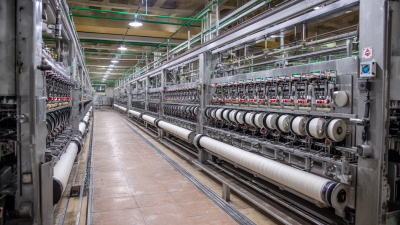
In the realm of chemical fiber production, optimizing high viscosity filtration is paramount for ensuring the quality and consistency of finished products. Melt polymer candle filters play a crucial role in this process by effectively removing solid particles and contaminants from the polymer melt. This is essential, as any impurities present can lead to defects in the final fibers and adversely affect their mechanical properties.
Installed within the extrusion line, melt filters allow the polymer melt to pass through while capturing unwanted materials. This purification step is vital prior to the spinning process, where the now-filtered melt is transformed into continuous filaments or staple fibers. Regular maintenance and timely replacement of these filter elements are essential practices that help manufacturers sustain uninterrupted operations, minimize production downtime, and enhance the overall product quality.
Implementing best practices in the use and maintenance of melt polymer candle filters not only improves efficiency but also extends the lifespan of the equipment. By prioritizing these filters in the production process, manufacturers can achieve greater reliability and performance, leading to higher standards in the quality of chemical fibers produced.
: Regulations focus on safety and environmental compliance. Manufacturers must adapt to new standards.
Proper ventilation ensures safe working conditions and helps meet emission standards during production processes.
Non-toxic materials are essential. Effective materials must comply with new regulations and capture particulates efficiently.
Many struggle with outdated equipment and sourcing materials that meet compliance. Costs may rise because of these challenges.
Investing in new technologies and implementing better practices can help meet regulatory requirements and improve product quality.
Regular training keeps staff informed about regulatory needs and improves overall compliance within the production processes.
Open communication with suppliers and having backup plans are essential for navigating post-fair challenges.
Building relationships can lead to better sourcing opportunities and streamline operations after the event.
Verifying supplier credibility is crucial before placing large orders. It helps avoid issues that may affect product quality.
Being flexible and proactive allows businesses to adapt to challenges and make better decisions in a dynamic market.
The 139th Canton Fair showcased a wide array of advancements in candle filter technologies, highlighting the top manufacturers and innovative designs that are shaping the market. Notable trends for 2023 and beyond include a growing emphasis on filtration efficiency and eco-friendly solutions, responding to consumer preferences that lean towards sustainability over traditional options. Additionally, the fair illuminated key innovations in candle filter design, while discussions regarding regulatory standards emphasized their impact on production practices.
The post-fair analysis also revealed significant insights into supply chain dynamics for candle filters, reflecting changes in demand and production capabilities. These insights hint at a competitive landscape where manufacturers must adapt quickly to market trends and regulatory environments to remain relevant. Overall, the event underscored the importance of agility and innovation in the candle filter industry moving forward.