



When it comes to filtration technology, the Stainless Steel Candle Filter really stands out thanks to its efficiency and durability. Dr. John Smith, who's pretty well-known in the filtration world at Filtration Technologies Inc., basically says that the Stainless Steel Candle Filter delivers unbeatable performance across a bunch of industrial setups. It’s a must-have for industries that need super high purity standards, like pharma companies and food producers.
These filters are designed to handle all sorts of liquids, and they do it reliably and consistently. The sturdy build means they can take on tough operating conditions without breaking a sweat. Plus, since they’re made of stainless steel, they’re resistant to rust and corrosion, which means they last longer than some other options. People who use them really appreciate how easy they are to clean and maintain — a big deal for keeping things running smoothly.
That said, not every situation is perfect for these filters. Some liquids might not be compatible, so you’d need to look into different materials if needed. It’s really important to pick the right filter for your specific needs because that’s how you get the best results. In the end, while the Stainless Steel Candle Filter offers a lot of advantages, making sure it’s the right fit for your application is pretty key to getting the most out of it.

What is a Stainless Steel Candle Filter?
A stainless steel candle filter plays a crucial role in ensuring fluid purity in various applications. These filters consist of hollow cylindrical elements, made from durable stainless steel. Their structure allows for efficient separation of particles from liquids, making them invaluable in industries like food and beverage, pharmaceuticals, and chemicals. The filter's design prevents corrosion and withstands high temperatures, offering longevity and reliability.
In practical use, the candle filter operates by allowing liquid to flow through its walls while trapping larger impurities inside. This process is essential for maintaining the quality of the end product. However, users must consider maintenance. Filters can clog over time, leading to inefficient performance. Regular inspection and cleaning are necessary to ensure optimal operation and extend the filter's lifespan.
The advantages of stainless steel candle filters are clear, yet their effectiveness relies on proper usage. Users should also reflect on their specific needs and filter sizes. Oversizing or undersizing can lead to operational issues. A successful filtration system requires attention to detail and a commitment to quality. Understanding these filters enhances their practical application across industries, highlighting their importance.
What is a Stainless Steel Candle Filter and its Uses?
| Feature | Description |
|---|---|
| Material | Stainless Steel |
| Filtration Method | Depth Filtration |
| Use Cases | Food and Beverage, Pharmaceuticals, Chemicals |
| Efficiency | High particle removal efficiency |
| Advantages | Corrosion resistance, Durability, Reusability |
| Maintenance Needs | Periodic cleaning and replacement based on usage |
| Temperature Resistance | Suitable for high-temperature applications |
| Common Sizes | From 5 inches to 60 inches in length |

Innovative Solutions: Enhancing Filtration Efficiency with Melt Polymer Candle Filters for High Viscosity Liquids
Melt polymer candle filters play a pivotal role in enhancing filtration efficiency, particularly when it comes to processing high viscosity liquids in the chemical fiber industry. These filters are designed to capture solid particles and contaminants from polymer melts—essentially the molten forms of synthetic materials such as polyester, nylon, and acrylic—prior to their conversion into fibers. According to recent industry reports, effective filtration can improve the quality of the final product, reducing defects by as much as 30% and increasing the consistency of fiber diameter, which is crucial for the performance of the final textile.
The installation of melt filter elements within extrusion lines is not merely a procedural step, but a vital aspect that directly influences production efficacy. The polymer melt is extruded through these filters under pressure, ensuring that even the smallest impurities are removed. This process is backed by data showing that a well-maintained filter can lead to smoother production runs, decreasing downtime related to blockages and material quality issues. Regular maintenance and timely replacement of these filters have been shown to promote longer equipment life and enhance operational efficiency, leading to a more sustainable production process.
Overall, the integration of melt polymer candle filters into the chemical fiber manufacturing process underscores the significance of advanced filtration solutions in tackling the challenges posed by high viscosity liquids. As the industry continues to evolve, prioritizing the selection and upkeep of these filter elements will remain integral to improving production outcomes and ensuring the delivery of high-quality synthetic fibers.

FAQS
: It is a tool used for filtering liquids by trapping solid particles.
Liquid enters from the top, flowing down through porous stainless steel, trapping contaminants.
They can remove over 99% of particles larger than 1 micron.
It prevents clogging, which can reduce flow rates and impact filtration quality.
They are made from high-quality stainless steel for durability and corrosion resistance.
Yes, filters can be tailored for specific needs based on particle sizes.
They are used in food and beverage, pharmaceuticals, and oil and gas industries.
Users may encounter clogging, indicating a need for regular checks and maintenance adjustments.
By properly evaluating process requirements when choosing filter size and material.
Users may unintentionally allow smaller particles to pass, compromising filter performance.
Conclusion
A Stainless Steel Candle Filter is a specialized filtration device designed to remove impurities from liquids. It operates by allowing fluid to pass through a cylindrical stainless steel element that captures particles, making it an effective solution for a variety of filtration needs. The design features robust materials that provide high durability, resistance to corrosion, and the ability to withstand high temperatures, ensuring long-lasting performance.
Common applications of Stainless Steel Candle Filters include use in industries such as food and beverage, pharmaceuticals, and chemicals. The advantages of these filters include their reusability, easy maintenance, and ability to deliver consistent filtering results. Proper care and maintenance can enhance the lifespan of these filters. When compared to other filter types, Stainless Steel Candle Filters often outshine in terms of durability and efficiency, making them a preferred choice for demanding filtration processes.
Related Posts
-

How to Optimize Polyester Spinning Processes with Candle Filters
-

7 Reasons Why Candle Filters for PA Spinning are the Best Choice for Your Industry
-

How to Use a Candle Filter for Effective Home Scenting Solutions
-
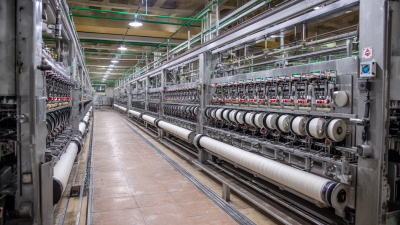
What is a Candle Filter for Poy Spinning and How Does It Work in Textile Manufacturing?
-

Ultimate Guide to Using Candle Filter for Effective Trading Strategies
-

How to Use Candle Filter for Better Trading Decisions and Improved Analysis
