• linkedin1
  • sns02
  • sns05
  • sns06
0%

Picking the right spinning machine really can make a huge difference when it comes to how well your business runs. Dr. Amy Tan, who’s the CEO of SpinTech Industries and an industry expert, points out that, “A reliable spinning machine can totally improve both quality and output.” And honestly, that’s pretty true—especially in the super competitive textile market where standing out matters. When you get the right machine, not only do you get better fabric quality, but you might also save some serious cash in the long run.

But here’s the thing — choosing the right spinning machine isn’t just about performance. You really gotta understand what your specific operation needs. It’s easy to overlook the importance of big details like machine specs, but not all machines are made equal. The right one can boost your productivity big time, while the wrong choice could actually hold you back.

Every textile business should take a good look at their options before making a call. This decision can be a total game-changer—either leading to success or stumbling along. It’s also worth learning from past experiences. Sometimes people jump into a purchase without doing enough research, and that can be costly. Reflecting on what worked and what didn’t can help you make smarter choices next time. In the end, your pick of a spinning machine could be what takes you from just getting by to really excelling.

Why Choose the Right Spinning Machine for Your Business?

Understanding Spinning Machines: An Overview of Types and Functions

When selecting a spinning machine, it's essential to understand the different types and their specific functions. Cotton spinning machines are designed to turn raw cotton fibers into yarn. They have a series of rotating spindles and frames. This process can greatly affect the quality of the final product. In contrast, synthetic spinning machines handle materials like polyester or nylon. They operate differently and require specific maintenance protocols.

Consideration of machine types is crucial in meeting production goals. Open-end spinning machines offer high speed and efficiency, making them suitable for bulk production. Ring spinning machines create finer yarns, ideal for premium textiles. Each machine serves a specific function that can impact the overall workflow. Businesses must reflect on the production needs and choose accordingly. Not all machines will fit every operation or yield the highest quality results.

Maintenance is another aspect to scrutinize. Regular checks can prevent costly downtimes. However, even well-maintained machines can have unpredictable issues. Understanding the intricacies of each type aids businesses in preparing for potential challenges. It's a tough balance between efficiency and reliability. Over time, experience will guide the best choices in technology and adaptation.

Why Choose the Right Spinning Machine for Your Business? - Understanding Spinning Machines: An Overview of Types and Functions

Machine Type Function Output Capacity (kg/h) Energy Consumption (kW) Common Applications
Roving Machine Transforms slivers into rovings for spinning 100-300 15-35 Wool, Cotton blends
Ring Spinning Machine Creates yarn from roving 200-500 30-50 Cotton, Synthetic fibers
Open-End Spinning Machine Produces yarn by directly drawing fibers 300-600 25-45 Denim, Specialty yarns
Air-Jet Spinning Machine Uses air to produce yarn with slubs 400-700 20-40 Fancy yarns, Technical textiles
Woolen Spinning Machine Processes wool for yarn production 150-350 10-20 Wool garments, Textiles

The Importance of Choosing the Right Spinning Machine for Your Needs

Choosing the right spinning machine significantly impacts your production quality. This decision affects everything from raw material usage to the final product. A well-suited machine enhances efficiency and reduces waste, increasing your overall profit margins.

Evaluating your specific needs is crucial. Consider factors like yarn type, speed, and capacity. This requires understanding your production goals deeply. Sometimes, preferences lead to choices that don’t align with actual needs. Investing time in research pays off in the long run. Each business is unique; a one-size-fits-all approach rarely works.

Incorporating user feedback can guide your decision. Talk to operators about their experiences. Visit facilities with similar machinery to observe performance. It can reveal the strengths and weaknesses of various options. Reflecting on these insights ensures you are making a well-informed decision. It’s about finding a balance between functionality and practicality to meet your goals.

Key Factors to Consider When Selecting a Spinning Machine

Why Choose the Right Spinning Machine for Your Business?

When selecting a spinning machine for your business, several key factors must be considered. The type of yarn produced plays a crucial role. Different machines cater to various yarn types like cotton, wool, or synthetic fibers. Understanding your product requirements is essential. A machine suited for fine yarns may not perform well with thicker textures.

Machine efficiency is another vital consideration. Look for features that enhance productivity while minimizing waste. Advanced technology can reduce downtime and improve energy consumption. A balance between speed and quality is important. An overly fast machine may compromise the final product. Research customer reviews and expert opinions to gauge reliability.

Budget constraints also shape the decision. Initial costs may tempt you to choose cheaper options, but this often leads to higher long-term expenses. Maintenance and repair costs add up over time. It is wise to evaluate the total cost of ownership. Investing in a reliable machine can lead to better returns. Take the time to reflect on your business needs. Setting clear priorities will simplify the selection process.

Cost vs. Quality: Finding a Balance in Spinning Machine Selection

Why Choose the Right Spinning Machine for Your Business?

Selecting the right spinning machine can significantly influence your business's efficiency and profitability. Understanding the cost versus quality debate is essential. A recent industry report highlights that nearly 40% of manufacturers prioritize cost over quality when purchasing spinning machines. However, this mindset can lead to higher long-term expenses due to maintenance and production downtime.

Research shows that investing in high-quality machines can improve output by 25%. While these machines may seem more expensive initially, they offer enhanced durability and performance. For instance, advanced spinning technologies can reduce energy consumption by 15%. This reduction can lead to substantial savings over time. Additionally, quality machines often provide better fiber utilization, decreasing waste.

Yet, striking a balance isn't easy. Many businesses mistakenly focus solely on lower upfront costs, neglecting the potential for increased overall productivity. Data indicates that companies that invest in quality experience three times fewer machine failures. Reflecting on these trade-offs is crucial. Understanding the total cost of ownership can guide better decision-making, aligning initial investments with long-term gains.

How Technology Innovations Impact Spinning Machine Efficiency

Choosing the right spinning machine involves understanding how technological innovations can enhance efficiency. Recent studies reveal that advanced spinning machines can improve productivity by up to 15%. This is crucial in a market that demands high-quality output and quick turnaround times. Innovations such as automation and real-time monitoring systems allow manufacturers to optimize their processes and minimize downtime.

Incorporating technology means precise adjustments can be made during production. Real-time data analytics can identify inefficiencies that a traditional machine would overlook. For instance, machines equipped with sensors can detect anomalies in fabric production, significantly reducing waste. A report from the Textile Machinery Association highlights that the latest models reduce energy consumption by 20% compared to older versions.

However, it's worth noting that adopting new technology comes with challenges. Initial costs can be substantial, and staff training is essential for effective operation. Moreover, some businesses may hesitate due to the learning curve associated with new systems. Reflecting on these factors can help businesses make informed decisions about upgrading their spinning equipment. Striking a balance between innovation and investment is vital for long-term success.

Evaluating Manufacturer Reputation and Support for Spinning Machinery

When selecting a spinning machine, the manufacturer's reputation and support are crucial factors. A reliable manufacturer can ensure the machine's longevity and performance. According to recent industry reports, around 40% of production failures stem from equipment issues. Therefore, choosing a manufacturer with a strong track record is essential.

Support services also play a vital role. Manufacturers should offer timely assistance for repairs and maintenance. A survey from a leading textile industry analyst indicated that companies receiving consistent support reported 30% higher efficiency. Without prompt service, production can halt, leading to potential revenue losses. Some manufacturers might fall short in this area, reflecting a need for critical evaluation.

In addition, consider the expertise that comes with the manufacturer. Companies with seasoned engineers can provide insights into optimizing machine performance. Data shows that businesses leveraging expert consultations enhance their operations by up to 25%. This emphasizes the importance of thorough research into each prospective supplier. A partnership with an authoritative manufacturer can drive your business forward.

Assessing Long-Term Benefits of Investing in the Right Spinning Machine

Investing in the right spinning machine can significantly enhance productivity and sustainability. Industry reports indicate that textile manufacturers experience a 20% increase in efficiency when utilizing advanced spinning technologies. This improvement often translates to lower operational costs and reduced waste. Choosing a spinning machine that aligns with your production goals is crucial for long-term success.

Energy consumption is another factor to consider. Newer spinning machines are designed to be more energy-efficient. According to the International Textile Manufacturers Federation, modern machines can reduce energy use by 30% compared to older models. This not only benefits the environment but also cuts costs over time. However, the initial investment may deter some businesses. It's essential to weigh the upfront costs against potential savings.

Another aspect is maintenance. While the latest machines improve performance, they may also require specialized training for staff. This can lead to transitional challenges. Yet, the long-term benefits, such as reduced downtime and improved product quality, often outweigh these short-term difficulties. It’s crucial to assess what aligns with your operational strategy to make the best decision for your business’s future.

Why Choose the Right Spinning Machine for Your Business?

Investing in the right spinning machine can significantly impact your production efficiency and cost savings. Below is a bar chart illustrating the long-term benefits of selecting the appropriate spinning machine based on key performance indicators.

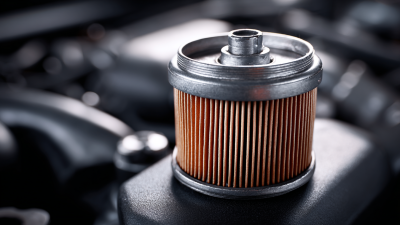
Maximizing Performance and Longevity: The Benefits of Stainless Steel Oil Filters with Metal Media

Stainless steel oil filters with metal media offer significant advantages in performance and longevity, making them an ideal choice for efficient oil filtration. These filters effectively remove impurities and contaminants, ensuring that oil remains clean and operational. Oil filtration is crucial in various industries, including automotive, manufacturing, and power generation, as it prolongs the life of machinery and equips them to perform optimally. The use of mechanical filtration methods, complemented by stainless steel construction, allows for enhanced durability and ease of maintenance.

Moreover, stainless steel oil filters resist clogging and can handle higher temperatures, which contributes to improved oil viscosity and thermal stability. This resilience is vital in maintaining the characteristics of the oil, particularly under strenuous conditions where conventional paper or cloth filters may fail. By utilizing metal media, these filters reduce the risk of sludge build-up and deposits that can harm critical engine components, thereby ensuring that equipment continues to operate efficiently without downtime.

In addition to improving equipment lifespan, stainless steel oil filters simplify the recycling of oil. The filtration process enables the reuse of oil by extracting unwanted moisture and impurities, thereby aligning with environmentally sustainable practices. Vacuum dehydration and centrifugal filtration methods can be enhanced by the robustness of stainless steel filters, further optimizing the oil purification process. Ultimately, investing in stainless steel oil filters translates to better performance, reduced maintenance costs, and a longer operational life for vital machinery.

FAQS

: What types of spinning machines are available?

: There are cotton spinning machines and synthetic spinning machines, each processing different materials like cotton or polyester.

Why should I consider the type of spinning machine?

Different machines impact production quality and efficiency, making it essential to choose based on specific needs.

How do open-end and ring spinning machines differ?

Open-end machines offer high speed for bulk production, while ring machines produce finer yarns for premium textiles.

What role does maintenance play in spinning machines?

Regular maintenance can reduce downtimes but issues can still arise, so reflection on maintenance practices is necessary.

Is it better to prioritize cost or quality in machine selection?

Focusing on cost can lead to long-term expenses; investing in quality machines is often more beneficial.

How can quality machines impact business efficiency?

Quality machines may improve output significantly and reduce energy consumption, leading to overall savings.

What risks are associated with choosing lower-cost machines?

Lower-cost options can result in higher machine failures and maintenance costs, ultimately affecting productivity.

How does total cost of ownership influence decisions?

Understanding total costs helps businesses align initial spending with anticipated long-term benefits and successes.

Conclusion

Choosing the right spinning machine is crucial for any business looking to optimize its production processes. Understanding the various types and functions of spinning machines is essential, as each machine serves different needs depending on the specific requirements of the operation. It is important to evaluate key factors such as capacity, technology, and efficiency, ensuring that the selected spinning machine aligns with the business goals.

Balancing cost and quality is another critical consideration, as investing in a high-quality spinning machine can result in long-term benefits that outweigh initial expenses. Additionally, staying informed about technological innovations can significantly enhance the efficiency of spinning operations. Finally, evaluating the manufacturer’s reputation and the support they provide is vital to ensure dependable and effective machinery. By taking these factors into account, businesses can make informed decisions that lead to sustained success in their spinning operations.

Elena

Elena

Elena is a seasoned marketing professional at Futai Machinery Co., Ltd., a reputable manufacturer established in 2007, specializing in high-quality filtration products. With a rich background in the industry, Elena possesses an exceptional level of expertise regarding the company's offerings,......
Previous Top Melt Filter Element Trends for 2026 What Buyers Need to Know
Next Top 10 Barmag Spare Parts You Need to Know About?