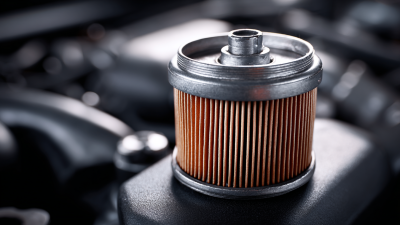
Picking out the right oil filter might not sound like a big deal, but trust me, it’s super important for your car’s performance. I read from John McLaren, an expert over at FilterPro, who said, “Choosing the proper oil filter can really help your engine last longer.” That just goes to show—being thoughtful about your choice really pays off.
Oil filters play a pretty big role in keeping your engine clean. A good one catches all sorts of dirt and gunk, stopping it from messing up your engine parts. But here’s the thing—not all filters are created equal. You gotta look at things like how well they filter and whether they’re the right fit for your car. Sometimes, it’s easy to overlook those details, but ignoring them could lead to engine problems sooner or later.
There are tons of options out there. Some filters look appealing just because they’re cheap, but beware—just because something costs less doesn’t mean it’s doing a good job. Going for a really cheap filter might save you some cash upfront, but it could end up costing you a lot more on repairs later. It’s worth taking a moment to weigh your choices—your car will thank you!

Understanding the Basics of Oil Filters and Their Function in Vehicles
Oil filters play a critical role in keeping your engine clean. They trap dirt, debris, and contaminants that can harm engine parts. A clean engine runs smoothly and efficiently. Without a proper filter, these harmful particles can cause wear and tear over time. This could lead to expensive repairs.
When choosing an oil filter, understanding its specifications is vital. Filters come in various sizes and types, suited for different engines. A filter that fits one vehicle may not fit another. Always check the specifications. This avoids costly mistakes. Don't overlook the quality of materials used in the filter. A poor-quality filter may not perform well, affecting your engine's health.
Many drivers underestimate the importance of replacing oil filters regularly. Some think that changing the oil is enough. This mindset can lead to engine issues. Reflect on your maintenance habits. Are you prioritizing longevity? Investing in the right filter can ultimately save you money in the long run. Remember, a little effort now prevents big problems later.
Types of Oil Filters: Comparing Spin-On, Cartridge, and Magnetic Options
When it comes to choosing an oil filter, understanding the types available is essential. Spin-on filters are among the most common. They feature a canister that houses the filtration media. According to industry reports, over 60% of vehicles use spin-on filters due to their ease of installation and effectiveness. They typically offer good filtration and are user-friendly, but they may not always capture smaller particles efficiently.
Cartridge filters are another option. They consist of a filter element that can be replaced without removing the entire assembly. This type has gained popularity, accounting for about 30% of new vehicles. However, cartridge filters may require more tools and time for installation. They often boast better filtration capacity, but changing them can be a hassle for some users.
Magnetic filters are less common but gaining traction. They use magnets to capture metal particles, enhancing overall engine protection. Though they might seem effective, their actual efficiency varies. Some users report mixed results, raising questions about their reliability. Overall, each type has benefits and shortcomings. It's crucial to consider vehicle requirements and personal preferences when deciding on an oil filter.
How to Choose the Right Oil Filter for Your Vehicle?
| Filter Type |
Description |
Advantages |
Disadvantages |
Best For |
| Spin-On Filter |
A self-contained filter that can be easily replaced without special tools. |
Easy installation and disposal; compact design. |
Can be more expensive; may not be recyclable. |
Most vehicles; DIY enthusiasts. |
| Cartridge Filter |
A replaceable filter element contained in a housing; requires separate purchase of housing. |
|
Often more environmentally friendly; typically offers better filtration. |
More complex to install; may require additional tools. |
Luxury vehicles; high-performance applications. |
| Magnetic Filter |
Uses magnets to attract and capture metal particles in the oil. |
Helps extend oil life; can improve engine longevity. |
Higher initial cost; may not fit all vehicles. |
High mileage vehicles; enthusiasts looking for enhanced protection. |
Key Specifications to Consider When Selecting an Oil Filter
Selecting the right oil filter is crucial for maintaining engine performance. One key specification to consider is the filter's micron rating. Most filters capture particles as small as 20 microns. Research shows that filters with lower micron ratings provide better protection. However, sometimes a lower rating can impact oil flow. Striking the right balance is essential.
Another important factor is the filter's bypass valve. When oil gets too thick, some filters allow oil to bypass the filter entirely. This can lead to unfiltered oil circulating through the engine. A filter with a quality bypass valve ensures that some oil is always filtered, even under tough conditions.
Seal integrity is also significant. A report from an automotive engineering conference indicated that poorly sealed filters can lead to leaks and pressure drops. Flat seals can deteriorate over time, compromising performance. Choosing a filter with robust sealing technology assures longer-lasting protection and peace of mind.
The Significance of Oil Filter Ratings and Industry Standards
When selecting the right oil filter, understanding its ratings and industry standards is crucial. Studies show that oil filters can remove up to 99% of contaminants. This statistic underscores the importance of oil filter effectiveness. However, not all filters meet the same criteria. Various organizations establish industry standards, such as the
Society of Automotive Engineers (SAE) and the American National Standards Institute (ANSI).
These standards help consumers gauge quality. Filters with higher ratings often have better filtration capabilities. For instance, filters rated at API (American Petroleum Institute) standards ensure that they meet specific performance benchmarks. A report indicates that around 30% of oil filters on the market do not align with these established standards. This gap raises significant concerns for vehicle performance and longevity.
Choosing a filter that adheres to these rigorous ratings can be a reflective process. While filtering capacity and dirt-holding ability are critical factors, some filters might underperform due to poor design or material choices. Thus, consumers should take a closer look before making a decision.
Understand the implications of selecting a filter that doesn't meet industry standards. It might lead to engine issues down the road. The right choice matters greatly in maintaining vehicle health.
How Filter Media and Construction Affect Filtration Efficiency
Choosing the right oil filter requires understanding filter media and construction. The filter media is crucial for overall filtration efficiency. It can be made from various materials like paper, synthetic fibers, or a blend of both. Each type offers different levels of filtration and durability. Paper filters are common and cost-effective, but they degrade faster. Synthetic options provide higher dirt-holding capacity.
Consider how your driving habits can impact the filter choice. Frequent off-road driving may require a more robust filter. Similarly, if you're in a city with high pollution, a better filter may benefit you. Always ask questions about the filter's construction. The strength of the outer canister matters too. A sturdy design prevents leaks or ruptures under pressure.
Tips: Always check the filter's micron rating. A lower number usually means better filtration. Research your vehicle's needs based on your usage patterns. Don’t assume all filters are equal; their performance can vary significantly. It's not just about changing filters regularly. Selecting the right one can improve engine performance and longevity. Small differences in filter choice could lead to bigger problems later.
Oil Filter Filtration Efficiency by Filter Media Type
The Role of Oil Filter Maintenance in Automotive Engine Longevity
Oil filter maintenance plays a crucial role in ensuring the longevity of your automotive engine. A clean oil filter prevents dirt and debris from circulating in the engine. When oil flows freely, it can lubricate each moving part efficiently. This reduces friction and prevents wear. A clogged filter, however, can lead to serious problems. Oil can bypass the filter, allowing contaminants to cause damage.
Regularly checking and replacing the oil filter helps maintain engine health. Many people overlook this task. They might think it’s unnecessary, but in reality, a neglected oil filter can lead to costly repairs. Symptoms of neglect include unusual noises or decreased performance. Changing the filter during oil changes is an easy way to stay on top of maintenance.
In new vehicles, filters may last longer, but they still need attention. A proactive approach ensures that even older engines run smoothly. Taking time to monitor the oil filter shows commitment to vehicle health. It’s a small task that can yield significant benefits over time.
Cost vs. Quality: Analyzing the Economics of Oil Filter Choices
When choosing an oil filter, cost and quality are often at odds. Many believe that a lower-priced filter will save money. However, cheap options can lead to engine damage. A poor-quality filter may not capture contaminants effectively. This can cause sludge buildup, reducing engine performance over time.
Quality filters, while more expensive, provide better longevity. They often feature high-grade materials that can withstand high pressure. This quality ensures better filtration and protection for your engine. Think long-term. It may be worth spending a bit more now to avoid costly repairs later.
Many people overlook the economics of oil filter choices. They focus solely on immediate costs rather than overall value. A cheap filter can be deceptive. It might seem like a bargain, but hidden issues may arise. Investing in a reputable filter can provide peace of mind. When in doubt, weigh the pros and cons carefully. Seek information and consider future needs.
FAQS
: Common types include running, cycling, swimming, and weightlifting. Each offers unique benefits.
Aim for at least 150 minutes of moderate exercise weekly. Adjust based on personal fitness levels.
A light snack of fruit or yogurt can boost energy. Avoid heavy meals right before exercise.
Set small goals. Track your progress. Mix up routines to keep it interesting.
It's okay to miss a session. Reflect on why it happened and adjust your schedule.
Focus on hydration and protein intake. Rest is crucial for muscle repair.
Stretching is best after workouts. It helps improve flexibility and reduce soreness.
Daily exercise is fine if varied. Listen to your body to avoid burnout or injury.
Signs include fatigue, irritability, and decreased performance. Rest is important for long-term progress.
Change your routine or intensity. Progress takes time and may not always be visible immediately.
Conclusion
Choosing the right oil filter is crucial for maintaining your vehicle’s engine health. An oil filter’s primary function is to remove contaminants from engine oil, ensuring optimal performance. This article explores various types of oil filters, including spin-on, cartridge, and magnetic options, highlighting their differences and benefits. Key specifications, such as size, filtering capacity, and compatibility with your vehicle, play important roles in selecting the most effective oil filter.
Additionally, understanding oil filter ratings and industry standards is essential for making informed choices. The filter media and construction significantly impact filtration efficiency, which, in turn, affects engine longevity. Regular oil filter maintenance contributes to a longer engine lifespan, while considerations of cost versus quality can guide consumers toward the best economic decisions. Overall, a well-chosen oil filter is a vital investment in your vehicle's overall performance and durability.