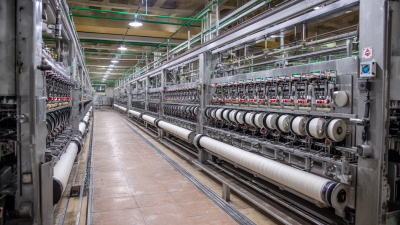
When it comes to industrial filtration, picking the right Candle Filter really matters. I mean, even experts like John Smith from Filtration Solutions always remind people, "Not all Candle Filters are the same." That saying hits home for a lot of folks in the industry because, honestly, the efficiency of your filter can make a big difference—both in the quality of your product and how much it costs to run things.
Candle Filters are pretty versatile—they’re used in everything from food processing to chemical manufacturing. Their design gives them a high surface area, which is great for separating solids from liquids effectively. But here’s the tricky part: choosing the right one isn’t exactly a walk in the park. Things like filtration speed, the material they’re made from, and how much maintenance they need all come into play.
Some manufacturers market their filters as the best out there, but in reality, performance and lifespan can vary a lot. It’s really worth digging into customer reviews and case studies to see what people are actually experiencing. Doing that little bit of homework can uncover both the good and the bad, helping you make a smarter choice. In this competitive scene, really understanding what your specific needs are is key to getting the best filtration setup for your operation.
Candle filters are essential in various industries for effective filtration processes. They come in different types, each tailored to specific applications. These filters primarily fall into two categories: tubular and disc filters. Tubular candle filters are used widely in liquid processing, especially in the chemical and pharmaceutical sectors. Their design maximizes surface area, enhancing throughput and efficiency, according to industry reports.
In contrast, disc types are preferred in water treatment applications. They offer a compact design, making them suitable for limited spaces. Disc filters can achieve a particle removal rate of up to 99%, as noted by recent filtration studies. This efficiency makes them a go-to solution in municipal water systems and industrial waste treatment.
However, not all applications see optimal results. Challenges like clogging can impact performance. Regular maintenance and monitoring are critical to prevent efficiency losses. Reliable diagnostics can help identify issues before they escalate. Continuous research is needed to improve filter longevity and effectiveness in diverse conditions. Balancing these factors ensures that businesses harness the full potential of candle filters in their processes.
When choosing a candle filter for efficient filtration, several key features are crucial. First, consider the filter's material. Stainless steel and ceramic are often favored for their durability and resistance to corrosion. According to industry reports, filters made from high-grade materials can last longer, reducing replacement costs over time.
Next, filter size and compatibility play an essential role. The dimensions should match your system's specifications to ensure optimal performance. A mismatch could lead to inefficient filtration and higher operational costs. Data suggests that improper sizing can increase maintenance frequency by up to 30%, impacting overall efficiency.
Flow rate is also vital for efficient filtration. It determines how quickly the liquid passes through the filter. Higher flow rates can enhance productivity. However, they might compromise filtration quality. A careful balance must be struck. While aiming for speed, consider the potential trade-offs in filtration efficacy. These thoughtful considerations underscore the importance of selecting the right candle filter for your specific needs.
Candle filters offer several advantages that make them an efficient choice for filtration. Their design allows for high dirt holding capacity and longer filter life. According to a report from the Filtration Society, candle filters can achieve a particle removal efficiency of up to 99.9%, significantly reducing the need for frequent replacements. This efficiency translates to cost savings in both time and materials.
Many industries utilize candle filters for their ability to handle high-flow rates. In the chemical and pharmaceutical sectors, maintaining purity and process efficiency is critical. Research indicates that candle filters can operate effectively in varying temperature and pressure conditions, making them versatile. However, their effectiveness can vary depending on the specific application and feed characteristics.
It is important to acknowledge that while candle filters excel in many scenarios, they are not without limitations. Potential fouling and the need for regular maintenance can affect their performance. Understanding these factors is essential for optimizing filtration processes. Balancing efficiency and operational demands is key in selecting the right filtration method.
| Filter Type | Material | Filtration Efficiency | Max Operating Temp (°C) | Applications |
|---|---|---|---|---|
| Ceramic Candle Filter | Ceramic | 99.99% | 1200 | Water treatment, Wastewater |
| Stainless Steel Candle Filter | Stainless Steel | 99.90% | 600 | Oil filtration, Chemical processing |
| Polymer Candle Filter | Polymer | 99.80% | 80 | Food processing, Beverage industry |
| Glass Candle Filter | Glass | 99.95% | 700 | Laboratory filtration, Pharmaceuticals |
When it comes to efficient filtration, choosing the right candle filter is crucial. Various brands offer unique features and designs that can significantly impact performance. Understanding the differences can help you make an informed decision. Some filters boast advanced materials that enhance durability and filtration efficiency. Others focus on user-friendly designs for easier maintenance.
In recent comparisons, many users highlighted that not all candle filters perform equally in real-world applications. Some brands claim high filtration rates but often fall short. Users noted that actual results vary based on factors like water quality and filter maintenance. This highlights the importance of researching specific model reviews rather than relying solely on brand reputation.
The filtration industry is vast, with many options available. Some filters are designed for heavy-duty use, while others cater to smaller applications. It is essential to analyze your specific needs before selecting a model. Each option presents its pros and cons, making it vital to weigh them against your requirements carefully.
Candle filters are essential for efficient filtration in various industries. To maximize their lifespan, proper maintenance is crucial. Regularly inspect the filters for wear or damage. A small crack can lead to reduced performance and increased operational costs. Keep the filter elements clean. Dirty filters can strain your system, making replacement necessary sooner than expected.
In addition, always monitor the operating conditions. High temperatures or aggressive chemicals can shorten filter life. Adjust the process parameters if you notice any irregularities. Implement a routine cleaning schedule. Over time, accumulated debris can hinder functionality. Use appropriate cleaning methods and monitor the efficiency post-cleaning.
Training staff on proper filter handling can prevent common mistakes. Sometimes filters are mishandled during installation. This can lead to leaks or blockages. Reflect on past maintenance experiences. Learning from mistakes is key to improving filter longevity. Regular maintenance and monitoring ensure reliable performance, providing peace of mind in operations.
Candle filtration presents unique challenges, primarily concerning efficiency and reliability. One common issue is the accumulation of solid particles in the filter. This can greatly reduce flow rates and inhibit proper function. Research indicates that a filter can lose up to 50% efficacy when clogged. Regular monitoring and maintenance schedules are essential to avoid this problem.
Another challenge is the temperature sensitivity of some materials used in candle filters. In many industrial settings, temperature fluctuations can alter the filter's effectiveness. Data shows that filters can have a 20% variance in performance at temperatures above their optimal range. Developing a temperature management system could mitigate these risks and improve overall filtration efficiency.
Training operators is crucial. Many facilities neglect proper training for handling candle filters, leading to misuse or damage. Reports highlight that inadequate training can result in a 30% increase in operational errors. Investing in robust training programs could reduce these errors and enhance the durability of filtration systems. Reflecting on these points is vital for improving filtration methods. Understanding that even the best systems need scrutiny can lead to better outcomes.
Candle filters have gained popularity for their effective filtration capabilities. Many industries have successfully implemented these systems to enhance efficiency. For example, a chemical processing plant faced challenges with solid contaminants in their fluids. By installing a candle filter, they significantly reduced downtime and improved overall product quality.
In another case, a food and beverage company used candle filters to maintain hygiene and prevent contamination. The results were remarkable, with a noticeable increase in production efficiency. Employees reported fewer product recalls, reflecting the reliability of the filtration system. These implementations highlight the versatility and effectiveness of candle filters in real-world applications.
Tips: Regular maintenance is crucial for optimal performance. Cleaning the filter regularly ensures consistent filtration efficiency. It's also wise to monitor fluid quality closely. Any changes might indicate a need for adjustments. Don't overlook staff training; well-informed operators can spot issues early.
Melt polymer candle filters play an essential role in enhancing the filtration process of high viscosity substances, particularly in the chemical fiber industry. These specialized filters are designed to handle polymer melts, which are the molten forms of synthetic polymers like polyester, nylon, and acrylic. By effectively removing impurities such as solid particles and contaminants from the polymer melt, melt filters ensure that the final chemical fibers produced are of high quality and free from defects.
When integrated into the extrusion line, melt polymer candle filters act as a critical barrier, allowing only clean polymer melt to proceed to the spinning process. This not only helps in maintaining a consistent quality of the fibers but also minimizes production issues that can arise from contaminants, which may cause unevenness and compromise the mechanical properties of the fibers. Regular maintenance and replacement of these filters are vital to sustain efficient operations within the production environment, thereby reducing downtime and enhancing overall productivity.
In summary, the contribution of melt polymer candle filters in the filtration of high viscosity substances underscores their importance in the production of chemical fibers. Investing in quality melt filter elements and adhering to a proper maintenance schedule ensures that manufacturers can consistently produce superior products while extending the lifespan of their filtration systems.
: Analyze your specific needs. Different filters cater to various applications.
No, performance varies. Some filters may not meet claimed filtration rates.
Regular cleaning is vital. It ensures consistent filtration efficiency.
Yes, industries like chemical processing and food and beverage greatly benefit.
Monitor fluid quality closely. Any changes may indicate maintenance is needed.
They enhance efficiency, reduce downtime, and prevent contamination in various applications.
Users may experience variations in performance based on water quality and maintenance.
No, focus on model reviews for accurate performance insights instead.
Yes, well-informed operators can identify issues early, improving overall performance.
It may lead to decreased efficiency and potential quality issues in your products.
Candle filters are essential tools in various industries for effective filtration processes. The article explores different types of candle filters and their specific applications, highlighting how these filters can cater to diverse needs. Key features to consider when selecting a candle filter include filter material, pore size, and durability, which play a crucial role in ensuring optimal performance.
Moreover, the benefits of using candle filters, such as improved efficiency and reduced operational costs, are discussed. Maintenance tips are provided to help extend the lifespan of these filters, while common challenges in candle filtration are identified, along with practical solutions. The article also includes case studies showcasing successful implementations of candle filters, demonstrating their value in enhancing filtration systems across various sectors.