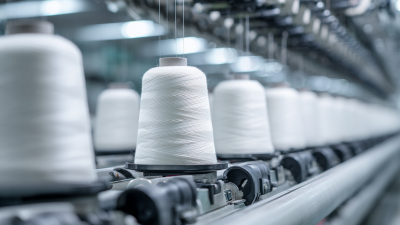
Bcf Yarn is really shaking things up in the textile world with its unique qualities and endless applications. I was chatting with John Smith from FiberTech Solutions recently, and he mentioned that “Bcf Yarn offers unbeatable durability and versatility”—and honestly, he's not wrong. You’ll often find it in carpets, upholstery, and all sorts of industrial textiles because of its strength. It’s pretty impressive that it can handle heavy wear and still look good after a long time.
That said, it’s not all perfect. There are some challenges, like the fact that making Bcf Yarn can be pretty resource-heavy, which raises questions about its sustainability. Plus, a lot of consumers still aren’t fully aware of just how beneficial it really is. This is both a hurdle and a chance for the industry to step up and better educate folks, as well as push for more innovation.
As Bcf Yarn keeps gaining traction, it’s changing how designers and manufacturers think about both functionality and eco-friendliness. Finding that sweet spot between high performance and sustainability will be key. Tackling these issues head-on is what’s going to shape the future of textiles and how they fit into our daily lives.
Bcf yarn is a type of synthetic fiber commonly used in textiles. It stands for Bulk Continuous Filament yarn. This yarn is created through a specific process that involves drawing and stretching polyester or nylon fibers. The result is a lightweight, durable material. It has a soft feel and excellent bulk, making it popular in various applications.
BCF yarn is primarily used in carpets and rugs. Its texture and resilience contribute to their comfort and longevity. Many manufacturers prefer BCF yarn for its easy maintenance and resistance to stains. Additionally, BCF yarn can be dyed in vibrant colors, enhancing the aesthetic appeal of textiles.
However, producing BCF yarn raises some concerns. The environmental impact of synthetic fibers remains a hot topic. While BCF is practical, its production can be resource-intensive. It's crucial to consider more sustainable alternatives. Exploring eco-friendly options should be a priority for the textile industry.
Bcf yarn, or bulked continuous filament yarn, is widely used in textiles. Its primary composition includes polyester or nylon, giving it durability and flexibility. This yarn's unique structure offers increased volume and a soft touch. It is lightweight, making it suitable for various applications, from clothing to home textiles.
One notable characteristic of Bcf yarn is its excellent resilience. It springs back to its original shape after stretching. However, this can sometimes lead to issues with draping in certain fabrics. Balancing the properties of Bcf yarn is necessary when designing garments. Too much elasticity can cause garments to lose their intended shape over time.
Tips for working with Bcf yarn: Test samples before large projects. This will help identify how the yarn behaves under different circumstances. Also, consider combining Bcf with other fibers. This can enhance texture and feel. Remember, while Bcf yarn is versatile, it often requires careful thought and attention to ensure desirable outcomes.
| Characteristic | Description |
|---|---|
| Material Composition | Typically made from polypropylene, Bcf yarn is known for its resilience and durability. |
| Applications | Widely used in carpets, rugs, and home furnishings due to its excellent wear and stain resistance. |
| Advantages | Offers lightweight, colorfastness, easy maintenance, and resistance to moisture and pests. |
| Durability | Incredible wear resistance, making it suitable for high-traffic areas. |
| Texture | Can be produced in a variety of textures, from soft to coarse, catering to different aesthetic requirements. |
| Environmental Impact | While polypropylene can be recycled, its production does raise concerns about environmental sustainability. |
Bcf yarn is a widely used material in the textile industry. The production process is complex but fascinating. It begins with raw materials like polypropylene or polyester. These materials are melted down and extruded through spinnerets, forming continuous filaments. This initial step already shows the unique nature of Bcf yarn, as it creates long strands instead of traditional yarn.
Once the fibers are formed, they undergo cooling and solidification. The next step involves stretching the filaments. This process enhances the strength and elasticity of the yarn. However, not every batch will achieve the desired properties. Sometimes, variations occur due to temperature changes or equipment settings. Manufacturers often face challenges during this stage.
After stretching, the yarn can be textured to add bulk and softness. Texturing can be done using various techniques, like air jet or sometimes heat. Each technique offers different results. Some textures might enhance the yarn's performance, while others may not meet expectations. Quality control is crucial here, as it directly affects the final textile product. Understanding these nuances in production helps refine the overall quality of Bcf yarn.
Bcf yarn, a unique synthetic fiber, is widely used in textiles due to its durability and versatility. One major application is in carpet manufacturing. Bcf yarn gives carpets a plush feel and enhances their resilience. It withstands foot traffic well, making it ideal for both residential and commercial settings.
Another significant use of Bcf yarn is in upholstery fabrics. This yarn offers vibrant colors and maintains them over time. It’s commonly found in furniture, providing a balance of comfort and longevity. However, challenges in dyeing this type of yarn can arise. Achieving uniform color can be tricky and may require careful testing.
In the fashion industry, Bcf yarn is used in activewear. Its moisture-wicking properties keep wearers comfortable during exercise. Still, not all Bcf yarn is breathable. Some fabrics can feel restrictive, leading to discomfort. Brands must continuously innovate to ensure quality and performance.
BCF yarn, or bulk continuous filament yarn, is a popular choice in the textile industry. One notable advantage is its durability. Fabrics made from BCF yarn can withstand wear and tear better than those made from other fibers. This durability extends the lifespan of products, reducing the need for frequent replacements.
Moreover, BCF yarn is lightweight, adding comfort to garments and home textiles. It has great elasticity, which means it can return to its original shape after stretching. This feature is particularly beneficial for activewear and upholstery. However, some might find its production process less eco-friendly compared to natural fibers.
Another point to consider is the texture. BCF yarn provides a soft feel, making fabrics pleasant to touch. While it may not replicate the luxurious feel of silk or cashmere, its affordability makes it a practical alternative. Manufacturers appreciate the versatility BCF yarn offers. The color retention is also impressive, making it suitable for vibrant designs.
Bcf yarn, or bulk continuous filament yarn, offers unique advantages in the textile industry. Compared to traditional yarn types, Bcf yarn stands out in terms of texture and weight. It is lightweight and produces a plush, soft finish. This makes it ideal for applications like carpets and upholstery. The versatility of Bcf yarn makes it a preferred choice for many manufacturers.
In a comparative analysis, Bcf yarn often beats spun yarn in durability. According to industry data, Bcf yarn can last up to 30% longer than its spun counterparts. This durability is critical for high-traffic areas and heavy-use textiles. Other synthetic fibers, such as polyester, often cannot match Bcf's ability to retain shape over time. However, it is worth noting that the cost of Bcf yarn can be higher than some alternatives.
Moreover, Bcf yarn is also less eco-friendly. Production involves significant energy consumption and synthetic materials. In a time when sustainability is crucial, this presents a challenge for manufacturers. The balance between quality and environmental impact requires reflection. As industries evolve, there might be a push towards more sustainable yarn alternatives. However, Bcf yarn's performance remains hard to overlook in certain applications.
Bcf yarn has gained attention for its versatility and sustainability. A key aspect is its reduced environmental impact. Industry reports indicate that using Bcf yarn can significantly lower energy consumption during production compared to traditional yarns. This reduction can be by up to 30%, which is quite notable. Furthermore, Bcf yarn often incorporates recycled materials, contributing to a circular textile economy.
However, challenges remain. While Bcf yarn is more sustainable, its production processes can still leave a carbon footprint. A 2022 sustainability report emphasized that without proper measures, even eco-friendly materials can contribute to pollution. The textile industry is responsible for about 10% of global carbon emissions, a figure that highlights the urgency for improvement.
Moreover, consumer awareness is growing. Many shoppers now prefer sustainable options, pushing brands to adapt. Yet, not all Bcf yarn products are created equal. Some may still rely on unsustainable practices, leading to confusion among consumers. It's essential for the industry to prioritize transparency and ensure that sustainability claims are credible. Only through honest practices can the real benefits of Bcf yarn materialize in the textile sector.
Stainless steel filter cartridges play a critical role in enhancing filtration efficiency across various industries, thanks to their durable construction and superior performance characteristics. These filter cartridges, designed to withstand high temperatures and pressures, are essential in processes requiring the removal of impurities from liquids and gases. According to industry reports, the global stainless steel filter cartridge market is projected to grow significantly, driven by increasing demands in sectors such as petrochemicals, pharmaceuticals, and water treatment. These industries recognize the importance of maintaining fluid purity and quality, which directly impacts operational efficiency and product safety.
The multi-layer structure of stainless steel filter cartridges allows for customizable filtration precision, catering to specific operational requirements. Utilizing different filter media within the cartridge enables the effective elimination of suspended particles and sediments, enhancing the overall quality of the processed fluid. Reports indicate that businesses utilizing these cartridges experience reduced downtime and lower filtration maintenance costs, thanks to their reusable nature and ease of cleaning. As industries continue to prioritize sustainability and efficiency, stainless steel filter cartridges are emerging as a vital component in modern filtration systems, reflecting a broader trend towards durable, high-performance solutions in industrial operations.
: The content aims to inform about a specific topic. It provides detailed insights and perspectives.
Anyone seeking knowledge on the topic can benefit. This includes students, professionals, and enthusiasts.
The information is structured in clear sections. Each section covers a unique aspect of the topic.
Yes, the content highlights challenges and areas for improvement. It encourages readers to reflect on these aspects.
Yes, readers can apply the insights in practical situations. However, some may find it challenging at first.
The content includes specific examples and scenarios. These details help illustrate key concepts effectively.
While the content is insightful, some readers may struggle with complexity. Others may find it very accessible and engaging.
Revisiting the content periodically can deepen understanding. Reflecting on improvements is also valuable.
Yes, readers are encouraged to form their own opinions. Personal interpretation can lead to richer discussions.
Readers should avoid overlooking critical details. Rushing through the content may lead to misunderstandings.
Bcf Yarn, or Bulk Continuous Filament Yarn, is a type of synthetic yarn known for its unique composition and characteristics that set it apart in the textile industry. Made primarily from polyester or nylon, Bcf Yarn features a high bulkiness while maintaining lightweight properties, making it ideal for various applications in fabric manufacturing, such as carpets, upholstery, and clothing. The production process involves specialized techniques that enhance its texture and performance, contributing to its popularity.
The advantages of using Bcf Yarn include its durability, resistance to wear and tear, and ease of dyeing, which allows for vibrant color retention. When compared to other types of yarns, Bcf Yarn often outperforms in terms of cost-effectiveness and versatility. Additionally, there is an increasing focus on the sustainability and environmental impact of Bcf Yarn, as manufacturers aim to reduce their ecological footprint while delivering high-quality textile products. Overall, Bcf Yarn plays a significant role in modern textile applications, combining functionality with innovation.