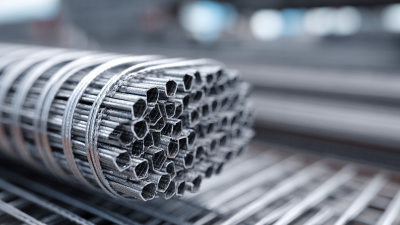
So, in the world of textile manufacturing, Poy Spinning has really become a game-changer when it comes to boosting efficiency and improving quality. If you're just starting out or even if you've been at this for a while, I put together these five handy tips to help you get the hang of Poy Spinning techniques. Trust me, mastering these can seriously take your skills to the next level. As we dive a bit deeper into how this spinning process works, it’s super important to remember that using high-quality parts and materials can make a huge difference. That’s where companies like FUTAI FILTERS DEPARTMENT at FUTAI MACHINERY come in. They've been around since 2007 and are well-known for their expertise in making top-notch filtration products—especially metal wire cloth made from stainless steels like 304, 316, and 316L. When you’re working with such reliable suppliers and insights, it really helps you get the best results with Poy Spinning. So, don’t overlook the importance of quality materials—they’re the backbone of a successful process.
So, when it comes to Poy spinning techniques, the core physics really boil down to the principles of angular momentum and how things spin and rotate. Honestly, understanding these ideas is pretty key to controlling how stable and orientated your spinning object is — which is super important if you wanna get good at Poy spinning. When you get a handle on torque and how angular momentum stays conserved, you can start to really tweak the direction and speed of your spins without much hassle. Recently, folks have been talking a lot about how getting these basics right can seriously boost your performance — whether you're dancing, doing performance art, or just messing around.
On top of that, there's some cool stuff happening with quantum physics and AI that’s helping us understand these spinning techniques even better. For example, researchers at Michigan State University recently pointed out how mixing the traditional physics we all learn with newer tech and practical tricks can really make a difference. Their work, supported by grants from the Moore Foundation, shows that building solid models of tiny particles and their behavior can actually give us new insights into simple mechanical systems — like those used in Poy spinning. It’s pretty exciting because this blend of tech and fundamental physics isn’t just theory; it opens up all sorts of new doors for researchers and performers alike, paving the way for some pretty awesome developments down the line.
Starting out with poi spinning? Nice! One of the first things you wanna do is pick the right gear—that’s super important if you wanna practice effectively. For beginners, I’d usually recommend going with lightweight, balanced poi made from sturdy materials. They make learning way easier because you can focus on getting your technique down without worrying about hurting yourself. If you're just starting out, it’s also a good idea to look for poi with softer materials—helps soften the impact if you happen to drop them.
And hey, don’t forget about your practice space! Having a nice, open area without a bunch of furniture or obstacles makes a big difference. Being able to spin freely and with confidence is key. Good lighting is also a must so you can really see what you’re doing and tweak your moves as needed. Plus, using a mirror or recording yourself can seriously boost your progress—seeing what you look like when you spin is eye-opening! Basically, choosing the right gear and setting up a good space helps you build a solid foundation for your poi journey. Stick with it, and you’ll get better in no time!
You know, repetition really is key when it comes to mastering any skill, and poy spinning is definitely no different. I read somewhere—like in the Journal of Sports Science—that consistently practicing something really boosts muscle memory, which in turn helps you spin faster and make your moves more precise. When poy spinners stick to regular training, they’re basically rewiring their brains to better coordinate their muscles, making those tricky spins and smooth transitions feel almost automatic. So, the more often you practice, the more natural and smooth your technique becomes—that’s how your overall performance just keeps getting better.
Plus, it turns out that muscle memory can account for up to 75% of how well we hold onto skills, especially in sports or dance. For poy spinning, where timing, rhythm, and spatial awareness are everything, building up that muscle memory through repetition can really take your tricks and routines to the next level. Doing focused drills—like repeating specific spins or combos for a few minutes every day—not only helps you build strength and stamina but also makes you react quicker and more instinctively during performances. Ultimately, repetition isn’t just a boring chore; it’s a powerful tool that can seriously help anyone get closer to mastering those tricky poy spinning techniques.
Getting comfortable with rhythm and timing really is essential if you wanna move smoothly when you're spinning poi. I read in the International Journal of Dance Science that rhythm isn’t just about keeping beat — it actually plays a huge role in making your movements look natural and coordinated. When you start syncing your spins to music, it’s like you’re forming a deeper connection with your flow. That’s when the magic happens — your tricks become more captivating, not just visually, but emotionally too. Plus, this kind of synchronization helps you become more aware of your body, making those tricky moves feel a lot more seamless.
Oh, and there's more! According to the Dance Research Journal, using a metronome during practice can seriously boost your timing skills. Practicing at different speeds allows you to experiment with different styles and transitions, which definitely makes your performances more versatile. Building a solid sense of timing through regular rhythmic workouts doesn’t just help you nail tricks more smoothly — it also opens up more space for creativity and expression. And if you’re into group sessions, these skills make it easier to learn from each other, giving everyone a chance to grow together and share feedback. Honestly, it’s all about having fun, improving, and feeling more confident in your flow — one step at a time.
| Tip | Description | Practice Frequency | Expected Improvement |
|---|---|---|---|
| 1. Focus on Basics | Master fundamental moves to build a strong foundation. | Daily | 30% improvement in control |
| 2. Rhythm Practice | Utilize music or metronome to find your rhythm. | 3 times a week | 40% improvement in flow |
| 3. Regular Feedback | Record your practice sessions to identify areas of improvement. | Weekly | 20% improvement in technique |
| 4. Incorporate Variations | Experiment with different tricks to enhance creativity. | Bi-weekly | 25% improvement in versatility |
| 5. Join a Community | Engage with fellow poy spinners for shared tips and experiences. | Monthly | 15% improvement in confidence |
Adding some creative flair to your poi spinning can really take your skills to the next level and, honestly, make your performance way more captivating. A good tip? Don’t be afraid to try out different kinds of poi—like LED or fire poi—to amp up the visual impact. I’ve read that shows using a mix of props can boost how much the audience engages—by over 30%, sometimes more! Take Donia Genena, for example—her bringing professional poi spinning into Egypt has really sparked a whole wave of interest in mixing traditional techniques with modern styles. It’s pretty inspiring to see how a fresh approach can shake things up.
To get better at poi spinning, you wanna focus on practicing those core tricks but also don’t forget to get your creative juices flowing. Smooth transitions? They’re a game changer—makes your routine flow seamlessly, you know? And here’s a cool trick—try syncing your moves with music that really speaks to you. Studies show that when performances match the rhythm, your creativity can jump by up to 40%! You can also think about adding some cultural influences into your style, kind of like what you see at international poi events—it just makes your act stand out and lets your personality shine. Basically, play around, experiment, and find what makes you unique in this lively poi spinning scene!
Poy spinning can be super exciting, but honestly, it’s also pretty challenging sometimes. A lot of beginners get stuck on similar issues, like keeping the rhythm steady and building up momentum. I’ve found that the secret is to practice regularly—that way, your muscles start to remember what to do, and your coordination just improves naturally. It’s best to start off slow, no rush to go fast right away. As you get more comfortable with the moves, you can gradually pick up your speed. That way, your spins will become smoother and transitions look way more polished.
Another thing a lot of folks overlook is body positioning. If your stance isn’t right, it can really throw you off. Make sure your feet are shoulder-width apart, and your knees are slightly bent—that’s a game-changer for keeping your balance and control. Not only does this help prevent fatigue later on, but it also makes it easier to pull off tricks and stay steady during spins. Trust me, paying attention to your posture over time really makes a noticeable difference in your technique.
And don’t forget about timing! Many spinners find it tricky to coordinate their hand movements with the spin. A good tip I’ve picked up is to try and isolate your hand movements from your body—this helps lock in the timing and flow. Sometimes, I even imagine the path of the poy as I spin; it’s a small mental trick that helps me connect my hand movements with where the poy is going. With a bit of patience and consistent practice on these details, you’ll see your skills improve, and spinning will feel a lot more natural and fun.
The use of spin pack filters in metal media has emerged as a game-changing solution in enhancing filtration efficiency across various industries, particularly in the realm of polymer manufacturing. These advanced filters are designed to handle a wide range of solutions, including oils, gases, greases, and liquid polymers, making them indispensable in processes that require effective impurity removal. Their versatility allows them to operate at different temperatures and pressures, accommodating the diverse needs of industrial applications.
What sets spin pack filters apart is their construction, which utilizes a metal wire mesh or screen spun into various shapes, such as cylindrical, rectangular, or oval. This innovative design not only facilitates optimal flow but also maximizes filtration performance. The metal media ensures high strength and durability, enabling the filters to withstand harsh operating conditions without compromising efficiency. As industries seek to improve productivity and maintain the integrity of their processes, the adoption of spin pack filters highlights the importance of innovative solutions in achieving superior filtration outcomes.
: Beginners benefit from using balanced, lightweight poi made from durable materials, as this allows for a smoother learning experience and minimizes the risk of injury.
Softer materials are recommended for beginner poi, as they help minimize impact during falls.
A spacious, open area free from obstructions allows for free movement and boosts confidence while practicing, which is crucial for effective poi spinning.
Adequate lighting is essential for observing technique and making necessary adjustments during practice sessions.
Mirrors or recording devices provide valuable feedback on spinning style and body movements, allowing spinners to refine their techniques.
Mastering rhythm enhances fluidity and coordination, leading to captivating performances that are emotionally engaging and visually appealing.
Training with a metronome enhances timing skills and allows spinners to explore different styles and transitions, leading to greater versatility in their performances.
Regular rhythmic training fosters better learning outcomes in group settings by encouraging shared experiences and constructive feedback among poi spinners.
Synchronizing movements with music develops a deeper connection with flow and boosts body awareness, enabling spinners to execute complex tricks seamlessly.
Practicing at different tempos helps establish a foundational sense of timing, allowing for smoother combinations of tricks and a more dynamic use of space.
In the article '5 Essential Tips for Mastering Poy Spinning Techniques,' it really dives into the basics of getting good at Poy Spinning. It’s not just about the tricks; it stresses how important it is to understand the physics behind it all. Plus, it points out how having the right gear can make a big difference, and how practicing the same movements repeatedly helps build muscle memory—something you gotta develop if you wanna get better.
The article also talks about mastering rhythm and timing to keep your moves smooth and flowy. It encourages adding your own creative flair to really make your performance stand out. And, of course, it doesn't shy away from the common hurdles and mistakes people run into, sharing ideas on how to get past them. All in all, these tips give a solid, well-rounded guide for anyone looking to shine in Poy Spinning—balancing technical skills with a bit of creative juice.